

Magnesium Sulphate Injection
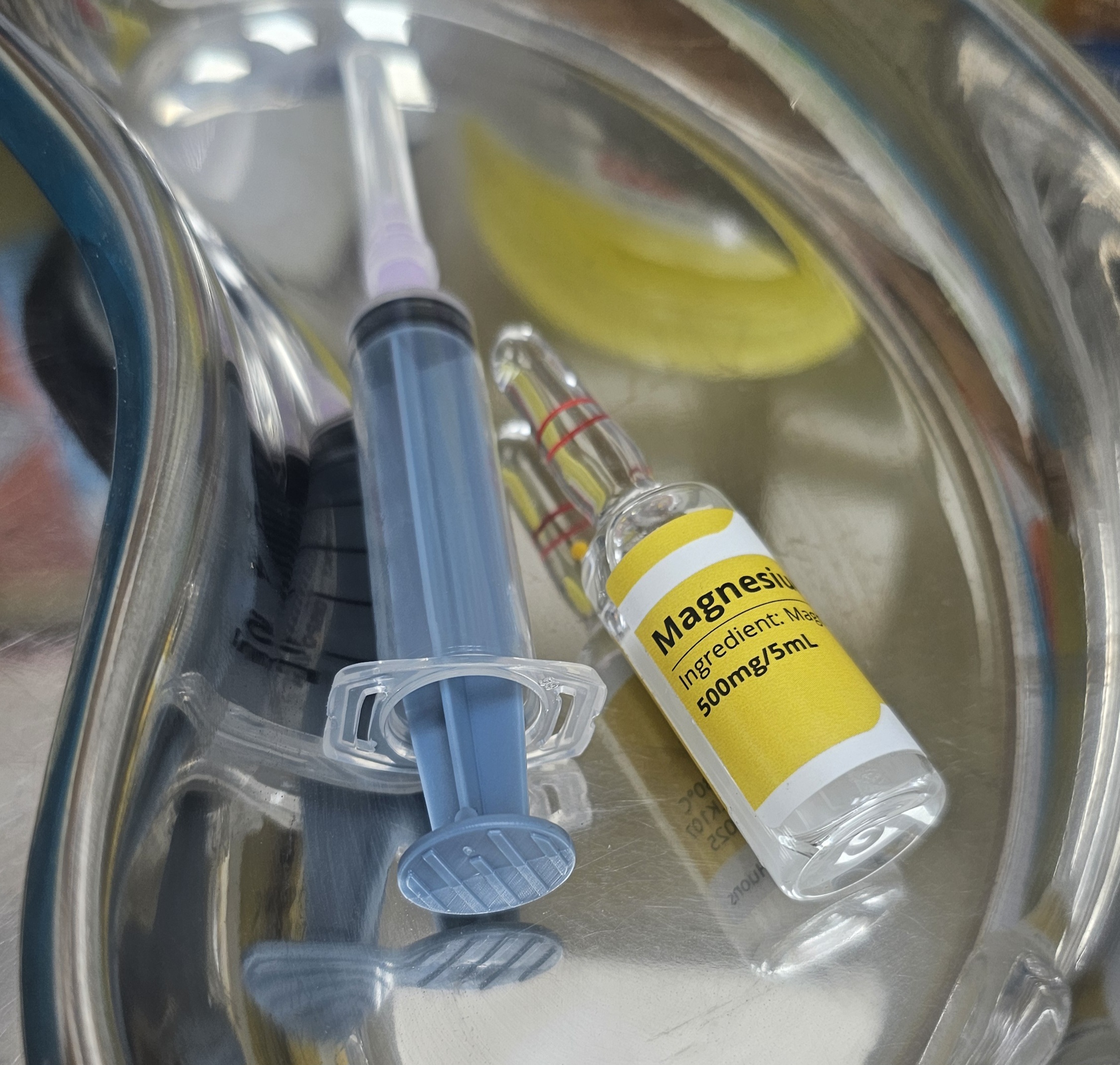
Magnesium deficiency (hypomagnesemia) occurs when blood levels drop below, often causing fatigue, muscle cramps, spasms, nausea, and irregular heartbeats. It is commonly caused by poor diet, digestive diseases, or diuretic use. Treatment typically involves oral supplements, or intravenous magnesium sulphate in severe cases.

0.7 mmol/L0.7 mmol/L
0.7 mmol/LKey Symptoms of Magnesium Deficiency
- Muscular: Muscle spasms, tremors, cramps, and weakness.
- Neurological: Numbness, tingling, seizures, and personality changes.
- Cardiac: Arrhythmias, palpitations, and high blood pressure.
- General: Fatigue, loss of appetite, and nausea.
Causes and Risk Factors
- Dietary: Low intake of magnesium-rich foods.
- Medical Conditions: Chronic diarrhea, Crohn’s disease, celiac disease, and kidney diseases.
- Medications: Long-term use of diuretics, antibiotics, or acid-reducing medications.
- Lifestyle: Chronic alcohol use.
Diagnosis and Treatment
- Diagnosis: Confirmed via blood or urine tests.
- Treatment: Generally involves oral magnesium supplements.
- Severe Cases: Intravenous (IV) magnesium sulfate is used for severe deficiency, often in hospital settings.
- Associated Conditions: It is often accompanied by low potassium (hypokalemia) and low calcium (hypocalcemia).
Potential Long-Term Effects
If left untreated, severe deficiency can lead to serious, life-threatening complications, including severe convulsions and cardiac arrest. It is also associated with a higher risk of developing osteoporosis and type 2 diabetes.
If left untreated, severe deficiency can lead to serious, life-threatening complications, including severe convulsions and cardiac arrest. It is also associated with a higher risk of developing osteoporosis and type 2 diabetes.